
Understanding Neurogenesis and Optimizing Its Potential
“You don’t grow new brain cells” my mom would tell me time and time again. “Be sure to wear a mask when you play with spray paint…You can’t afford to have another concussion…don’t do drugs… Because you don’t grow new brain cells.” Mom was right and generally speaking she still is…. However, current frontiers in neuroscience now demonstrate that the old belief is not entirely true. Well, kind of… it is not that simple. We do grow new brain and nerve cells. This phenomenon is called Neurogenesis. The important questions are how we grow new brain cells, where and to what degree.
Current frontiers in neuroscience now demonstrate that the old belief is not true. We do grow new brain and nerve cells. This phenomenon is called Neurogenesis.
What is Neurogenesis exactly?
Neurogenesis is the birth and growth of new neurons, brain cells in the adult human brain. Neurogenesis takes place on a daily basis and can even be stimulated. It is part of an innate natural process that reduces stress and age’s degenerative effects on the brain.1 Current research is working to uncover specific methods that stimulate neurogenesis. However, before discussing them, let’s better understand the process of neurogenesis.
Neurogenesis occurs in certain regions of the brain because of specialized brain cells called astrocytes. Astrocytes have the ability to act as neural stem cells and in turn support lifelong neurogenesis.
There are two factors that determine the level of neurogenesis in an individual’s brain.
- Factor one is called the local cell intrinsic potential. This refers to your unique genetic blueprint- how you are designed and therefore your own unique potential for function.
- Factor two is the supportive microenvironment. This refers to the plethora of environmental factors that either support or limit your expression of health, or in this case neurological health. Some noteworthy environmental factors include lifestyle, nutritional status, quality of sleep, and regularity / type of exercise.
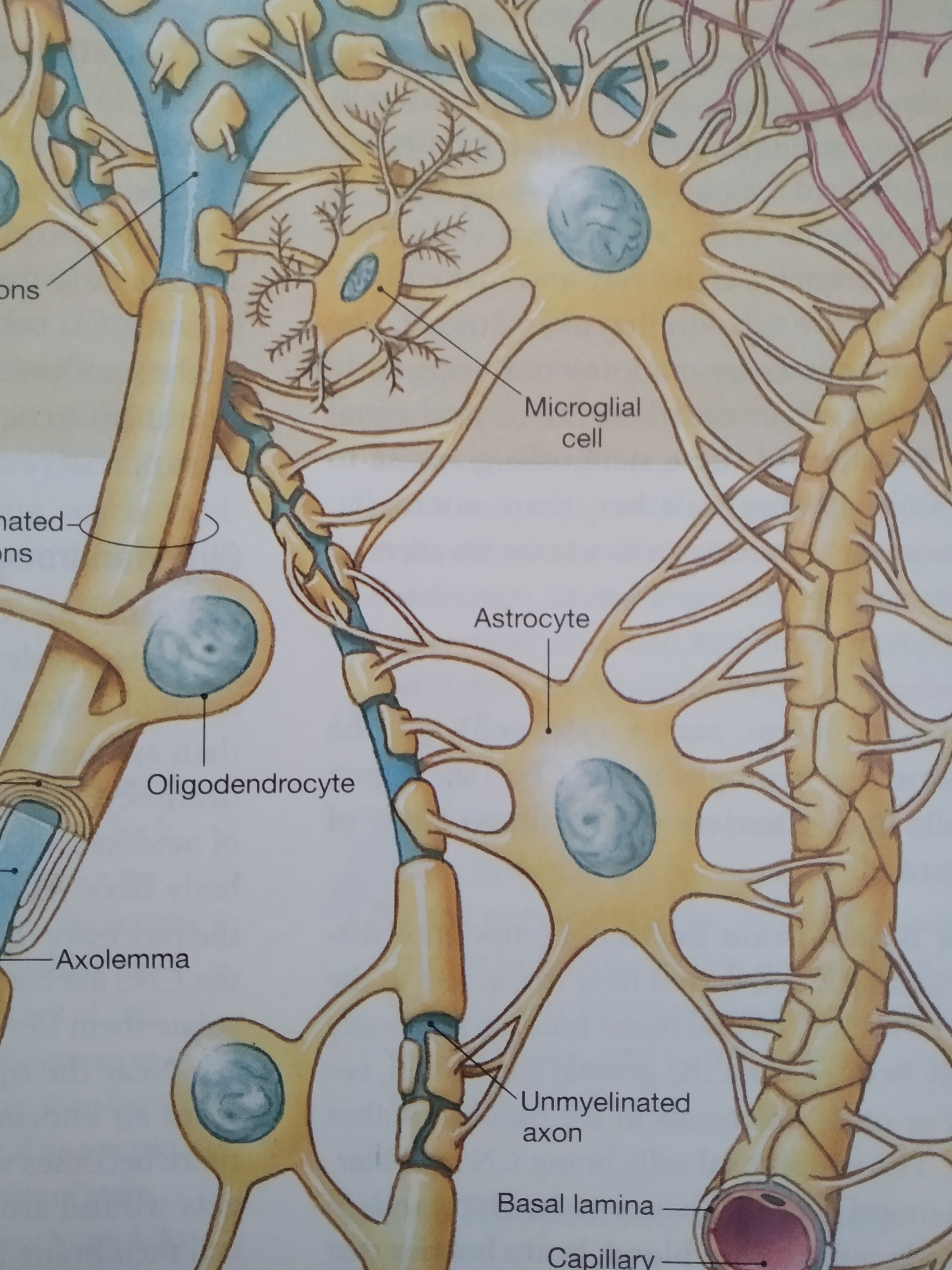
In some regions of the brain, dormant astrocytes can be provoked by an environmental condition to produce new brain cells. Exercise and intermittent fasting are two examples. On the other hand, in conditions of brain injury or stroke, the astrocytes are not stimulated to regrow damaged areas.2
Where neurogenesis occurs in the brain
Neurogenesis occurs in different regions of the brain to varying degrees. The primary brain region in adult humans that can produce newborn brain cells is called the hippocampus. The hippocampus (colored in red in the side image) is responsible for learning, memory, mood and emotion. Jonas Frisén from the Karolinska Institute estimates that we produce up to 1,400 new neurons in the adult brain every day, with the rate declining as we age. By the time we turn 50, the original hippocampal neurons from birth are completely replaced by new ones.3

The Hippocampus - learning and memory
The hippocampus is especially important for learning and memory, particularly spatial memory. When hippocampal function is blocked in a laboratory setting, those functions decline. This observation is reminiscent of the declined functions often seen in older age with cognitive decline and dementias.
Lifelong learning of familiar and novel subjects, language and new forms of activity plays a critical role in hippocampal health, function, preservation and optimization. Our Empowered Brain Program incorporates multiple levels of hippocampal training in its 12-month clinical curriculum with individuals.
The Hippocampus and depression
The hippocampus makes up part of the limbic system, responsible for emotion and memory. Neuroscientist Sandrine Thuret explains, there is a clear link demonstrated between neurogenesis and depression. Individuals with depression suffer from lower rates of neurogenesis and anti-depressant drugs have a positive impact on neurogenesis. Likewise, when neurogenesis is blocked in a clinical setting, it also blocks the effect of antidepressant drugs.3 Therefore depression is more than a mental-emotional state, it should be considered as a marker for neurological vitality.
Seeing depression as a marker for neurological vitality, not just mental-emotional health.
Neurogenesis Strategies – preserve and potentiate
Discussions surrounding neurogenesis involve two conceptual themes.
Camp One – Preserve
Reduce the expression of cognitive decline, brain degeneration that is already occurring. In other words, preserve what you have! This can be performed by reducing (eliminating) harmful dietary habits, physical and mental inactivity that drive cognitive decline and reduced brain health.
Camp Two – Potentiate
Optimization of the innate human potential to maximize the expression of neurological vitality. This can be performed with various forms of exercise, nutritional strategies, intermittent fasting, sleep hygiene and more. Part 2 of the Neurogenesis article series dives into more specifics on how to potentiate neurogenesis at home.
Ultimately it boils down to working to reduce cognitive decline by preserving what you have and maximizing a functional potential. To understand how stimulating neurogenesis is possible, one more element in this discussion requires introduction. That is Brain Derived Neurotrophic Factor or BDNF for short.
Neurogenesis requires Brain Derived Neurotrophic Factor (BDNF)
BDNF is the most abundant neurotrophin (growth factor) in the brain. BDNF, like a garden fertilizer, stimulates new neuronal growth. It serves as the key molecule involved in learning and memory. Furthermore, it serves as a regulator molecule and participates in neuroplasticity. Neuroplasticity, is the term given to the brain’s ability to adapt and change and is the subject of the popular book The Brain That Changes Itself by Norman Doidge. It is also a central principle utilized in our Empowered Brain Program. Of note, individuals with Alzheimer’s disease have significantly lower levels of BDNF.
Factors that stimulate BDNF production stimulate neurogenesis.4 This in turn optimizes vital body functions. Stimulating BDNF production and expression can be done through exercise, certain foods in the diet, Intermittent Fasting and more. In part 2 of this series, we will explore those positive strategies and specifics on how to implement them.
Disclaimer. The information represented in this article is meant to provide concepts from evidence based research. It is not intended to treat or diagnose any health condition. For appropriate treatment methods please contact your healthcare provider.
- Van Praag H, et al. Exercise enhances learning and hippocampal neurogenesis in aged mice. J Neurosci. 2005 Sept 21;25(38):8680-5.
- Magnusson JP, Frisen J. Stars from the darkest night: unlocking the neurogenic potential of astrocytes in different brain regions. Development (2016)143, 1075-1086.
- https://www.youtube.com/watch?v=B_tjKYvEziI
- Liu PZ, Nusslock R. Exercise-Mediated Neurogenesis in the Hippocampus via BDNF. Front Neurosci. 2018;12:52.
