
Integrative Home-Based Rehabilitation for Cognitive Decline and Dementia
A fully home-based clinical rehabilitation program for individuals living with cognitive decline and dementia. The Empowered Brain Program provides a coordinated, long-term approach integrating brain-based rehabilitation, clinical nutrition, movement therapy, and caregiver support to help preserve function, independence, and quality of life — all under the direct guidance of the clinical director.
Why Dementia Care Often Feels Fragmented
If you or a loved one has been diagnosed with cognitive decline or dementia, chances are the experience navigating care has felt overwhelming or fragmented. Many individuals and families are told things like:
“There’s nothing we can do — you simply have to live with it.”
“Let’s try this medication and see how things go.”
“We’ll follow up again in several months.”
Cognitive decline, Alzheimer’s disease and other dementias involve multiple interacting factors that often require ongoing attention, coordination and longitudinal support. However, conventional care models are typically centered around symptom monitoring, medication management and intermittent follow-up appointments.
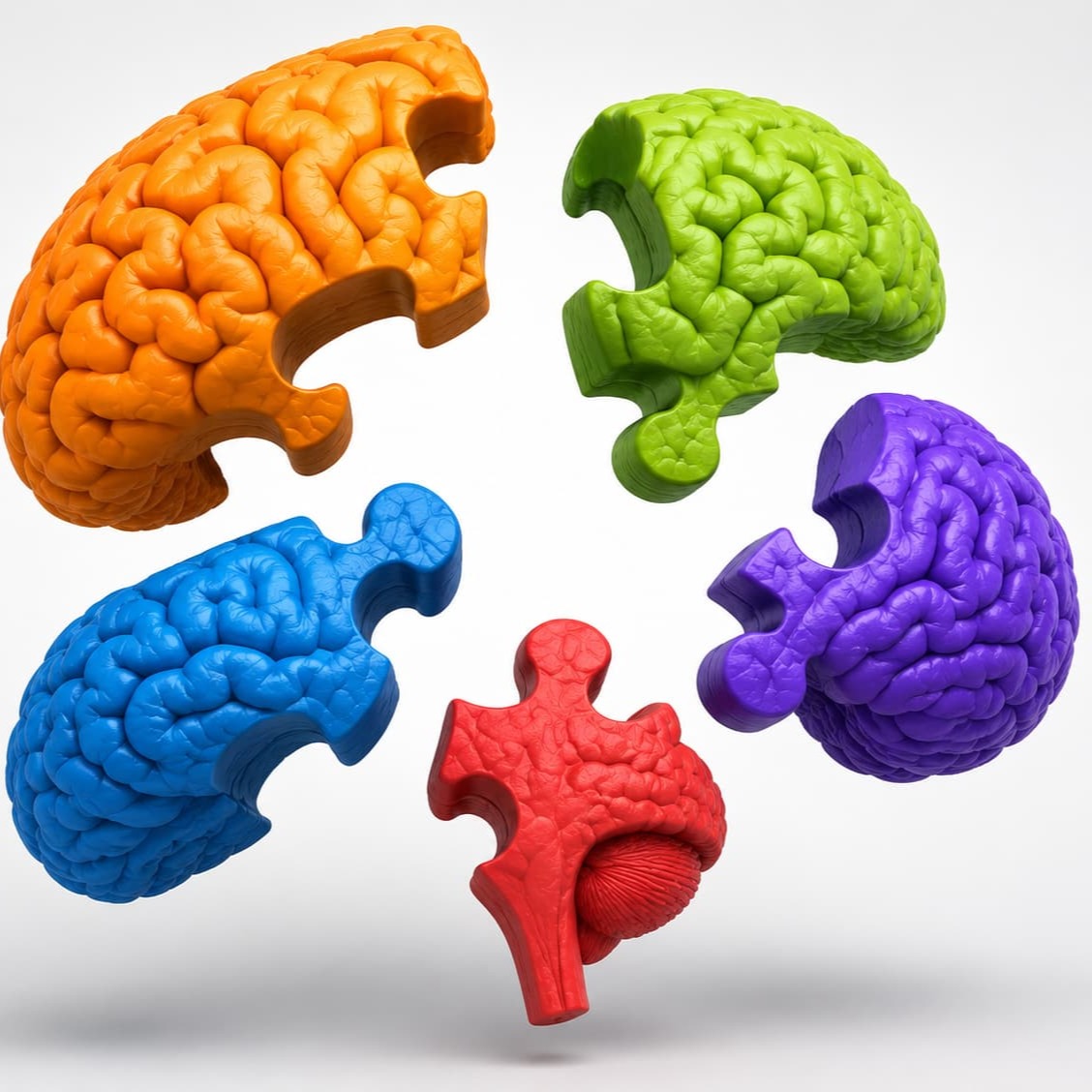
Managing diverse therapeutic needs across multiple providers, appointments and changing life circumstances can become difficult for both individuals and caregivers.
The Empowered Brain Program was developed to provide a more coordinated and integrative rehabilitation approach focused on consistent therapeutic guidance, individualized care, and long-term support from home.
- One clinical director guiding the therapeutic process
- Weekly individualized appointments and ongoing reassessment
- Family member and caregiver training and support
- Fully home-based telehealth rehabilitation
- Open to individuals and families internationally
Effective Dementia Care is Integrative
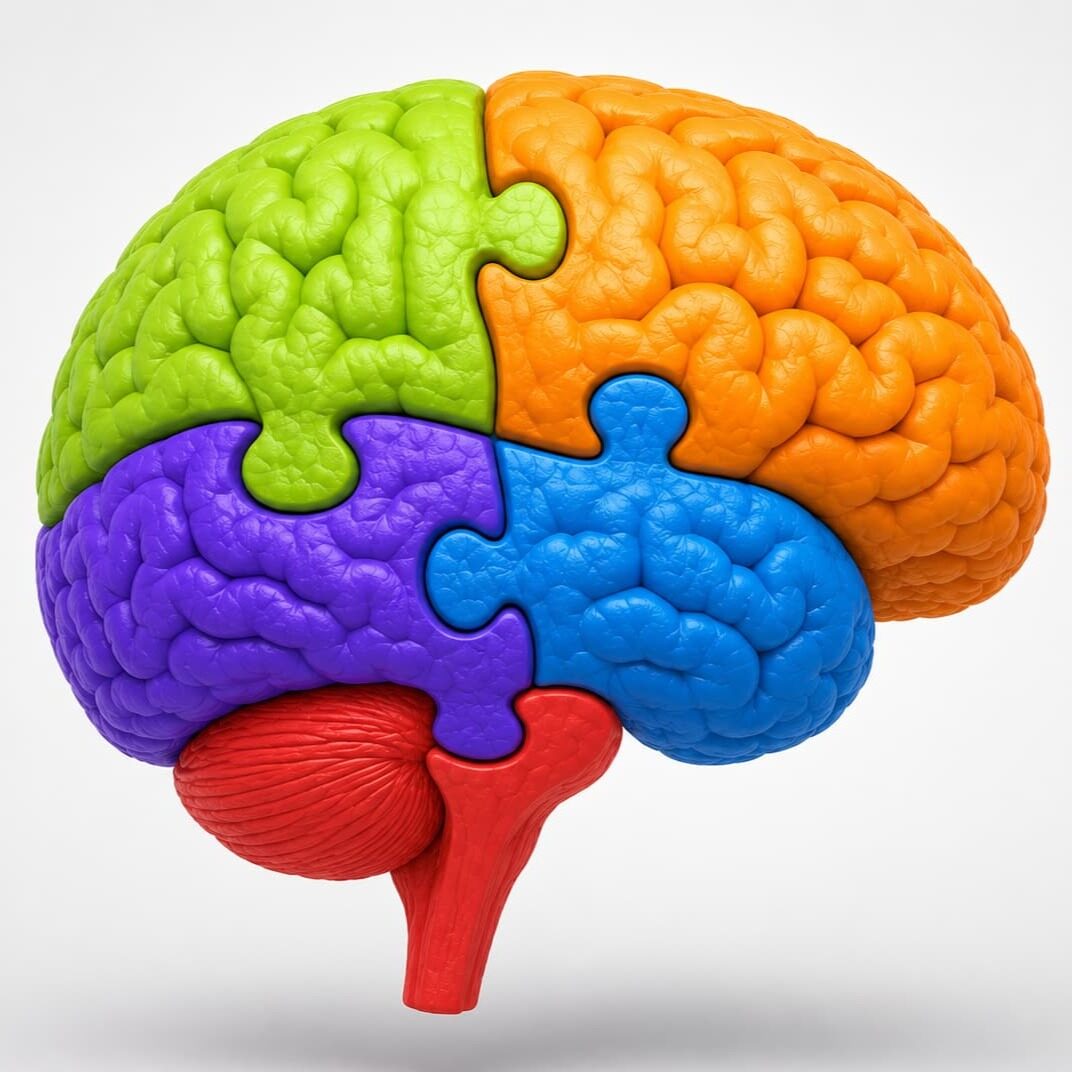
Cognitive decline and dementias develop over the course of years and decades because of dysfunctions across multiple systems.
As we age, the isolated imbalances in cardiovascular, neurological, metabolic, digestive, sleep, movement and other systems gradually converge creating a complex clinical picture. Ultimately, a picture of accelerating loss of function and independence.
Optimal rehabilitation requires a coordinated multidisciplinary approach for working with the whole person AND the interaction of these systems, rather than addressing individual symptoms in isolation.
The key to effectively integrating a multidisciplinary rehabilitation approach lies in the science of neuroplasticity, the brain’s ability to adapt, relearn, and reorganize its functions through new neural connections.
Change takes time; changing brain function requires the right kind of repetition, delivered consistently over time.
Importantly, the earlier intervention begins, the greater the brain’s ability to adapt and reorganize. Starting earlier helps maximize the potential to preserve independence, function, and quality of life for longer.
The Empowered Brain Program applies these principles through a coordinated, long-term rehabilitation model designed to support cognitive function, mobility, independence, and quality of life for individuals living with cognitive decline, Alzheimer’s disease, and other dementias.
A Comprehensive Approach to Dementia Rehabilitation
The Empowered Brain Program combines Functional Neurology, Functional Medicine and Clinical Nutrition, movement rehabilitation and caregiver training into a single coordinated model to address the myriad of factors involved in cognitive decline and dementia.
Our long term care model not only reduces the stress of fragmented care, it emphasizes bringing the therapeutic process to everyday living, meaningful activity and family connections.
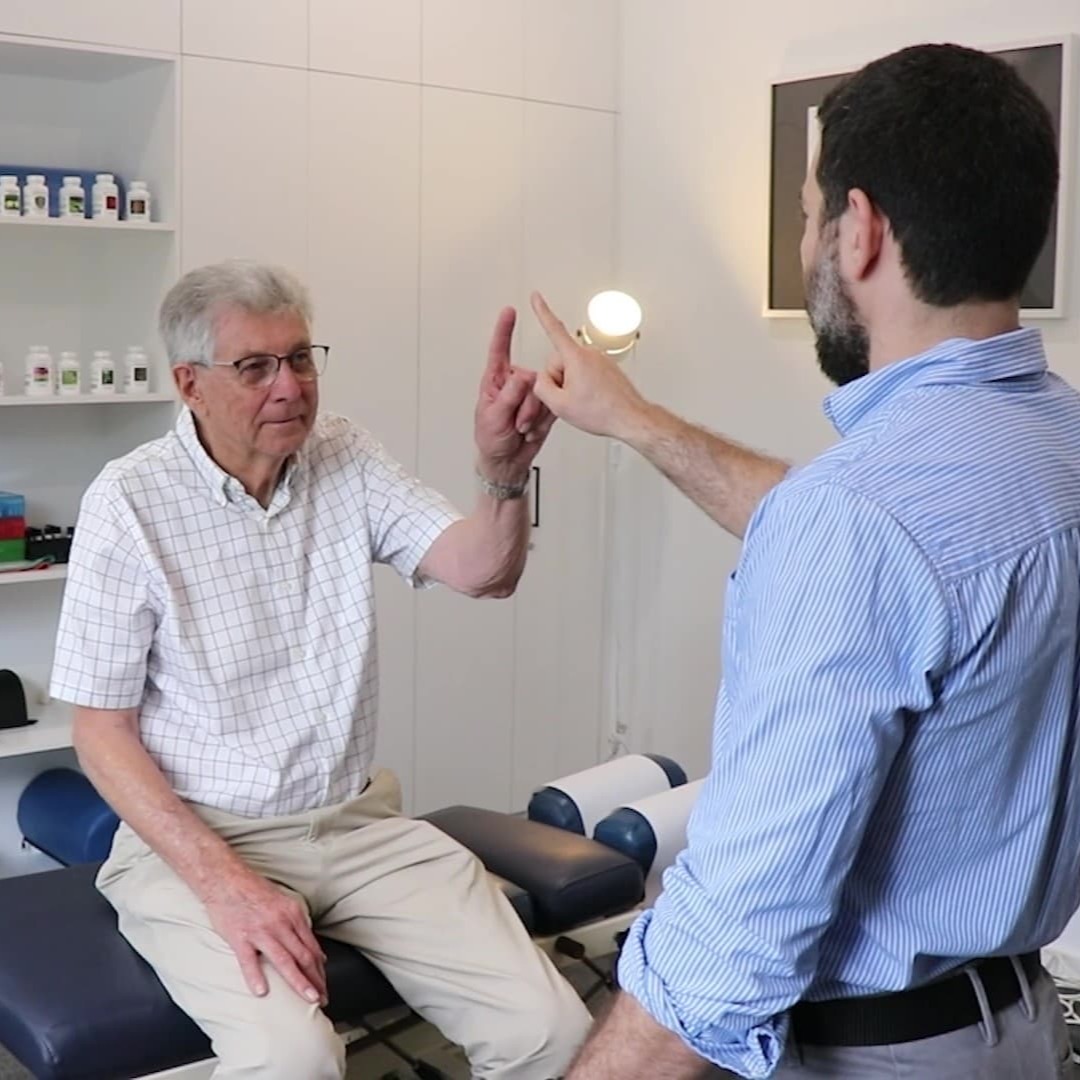
Functional Neurology and Neurocognitive Rehabilitation
Targeted brain-based rehabilitation strategies designed to improve cognition, balance and coordination, movement, emotional regulation, and sensory processing.
Grounded in the science of neuroplasticity - therapeutic challenge and repetition are used to help the brain adapt, reorganize, strengthen and reinforce functional neural networks over time.
Care is individualized based on each person’s neurological presentation, functional capacity and rehabilitation goals.
Functional Medicine and Clinical Nutrition
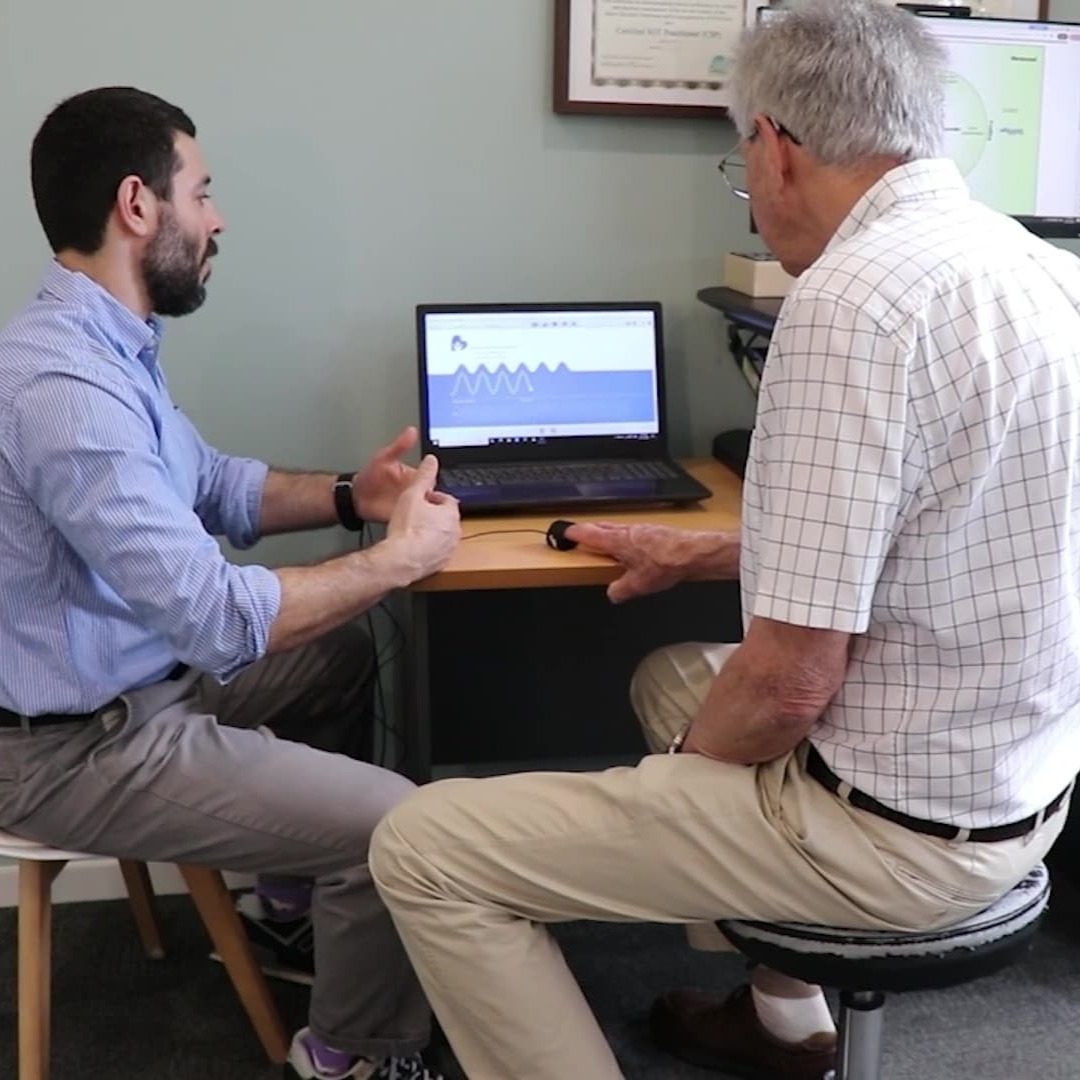
Addresses long-term metabolic, inflammatory, vascular, digestive, nutritional, and lifestyle imbalances that influence brain health and cognitive function over time.
Evidence-based nutritional and therapeutic interventions are used to support brain metabolism, energy production, systemic health, and the physiological foundations necessary for neuroplasticity and long-term function.
Care is individualized through targeted nutritional strategies, meal planning, recipes, and supplementation based on each person’s clinical presentation.
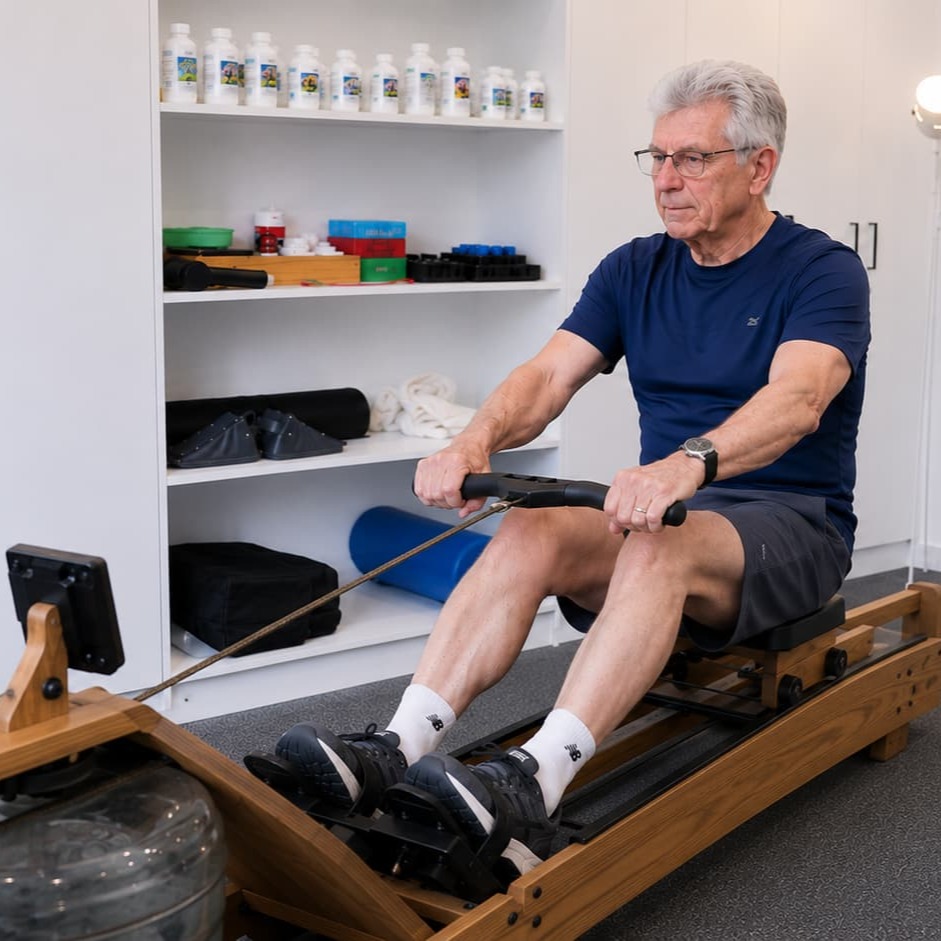
Strength and Movement Rehabilitation
The benefits of exercise for cardiovascular health, mood regulation, blood sugar handling, bone density, mobility, and cognitive function are well established. However, the most effective forms of rehabilitation depend on the individual’s current health status, functional capacity, and therapeutic goals.
Where do you start and what forms of exercise are going to make the greatest difference for you? The answer is highly personalized. The Empowered Brain Program integrates cardiovascular exercise, strength training, balance rehabilitation, and functional movement practices designed to support cognitive health, preserve independence, reduce fall risk, and maintain long-term physical resilience and quality of life.
Family and Caregiver Training — Becoming Specialists in Your Care
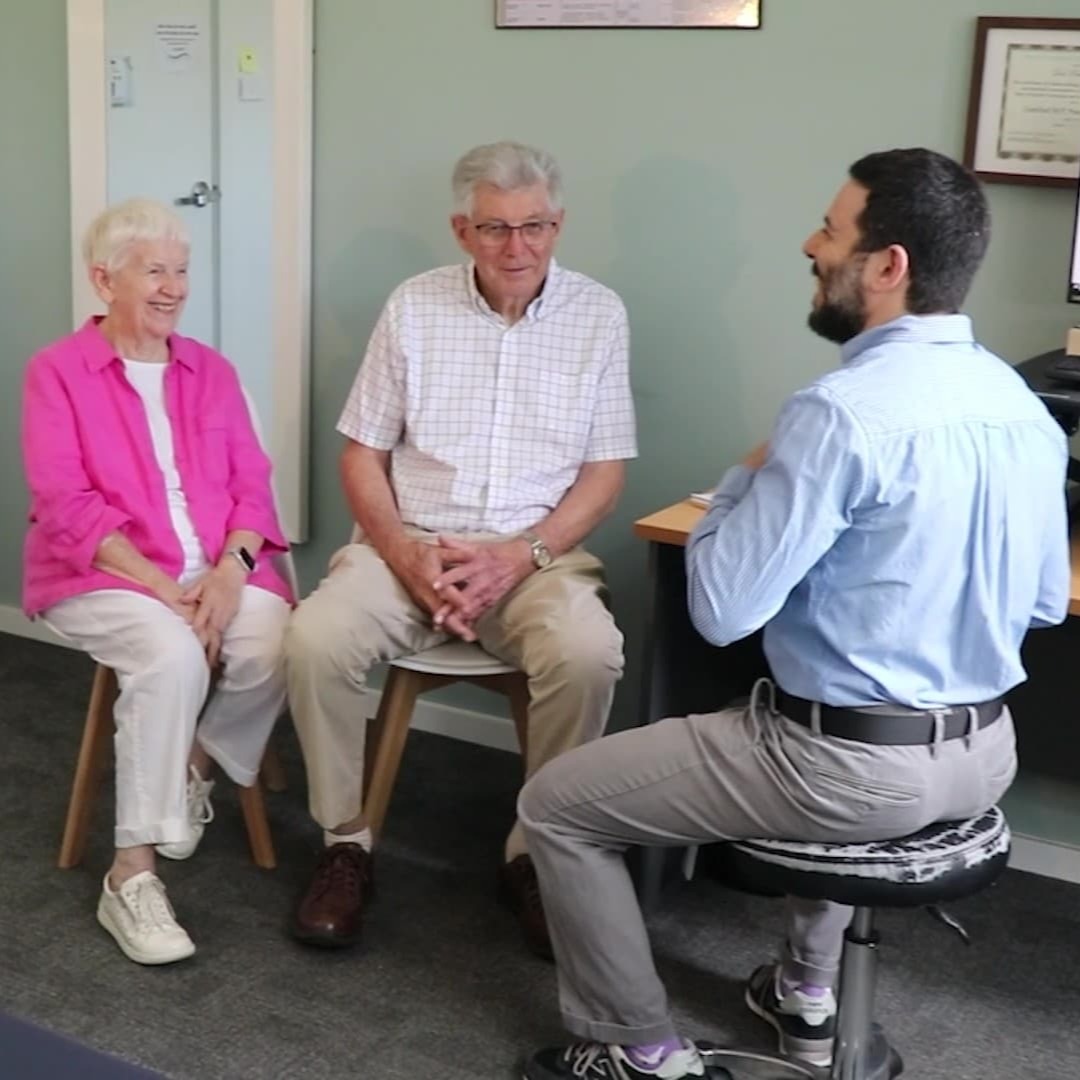
The Empowered Brain Program is built on achieving lasting change. A cornerstone of that change is training both you and your caregiver or family member to become specialists in managing your condition.
This is not passive care - it is an active, team-based approach.
By working together as a dedicated team: patient, family, and clinician, we maximize long-term outcomes and make progress sustainable. This special feature of the program includes:
- Personalized caregiver training in neurocognitive exercises, rehabilitative methods, strength and cardiovascular training methods.
- Implementation of nutrition and lifestyle plans including meal preparation and structured guidance.
- Overcoming resistance - compassionate and evidence-based strategies that encourage cooperation and build trust.
- Emotional support and communication strategies to strengthen resilience in both the patient and caregiver.
- Ongoing involvement in planning and progress tracking ensuring the family engagement at every step.
The Empowered Brain Program Principles
Individualized
You are a person with needs, desires, interests, and values - not a condition and not just a patient. All care is designed exactly for you, for who and how you are. Whatever your starting point, we will work forward.
Relational
Our relationship is focused across a long term span, with clear objectives, goals, to share in your life and values and towards comprehensive achievements - immediate and long term. Working together as a team.
Reinforcing
This is a Neuroplasticity model of care, provided and designed to be reinforced regularly within daily life, not just during clinical sessions. Strengthening neuronal connections and optimizing brain-body function accumulatively, day by day.
Evidence Based
Neuroscience and dementia rehabilitation continue to evolve rapidly. The Empowered Brain Program integrates current research, clinical technologies, and evidence-based rehabilitation strategies into individualized care.
What to Expect From the Program
Weekly telehealth therapy and rehabilitative sessions
Personalized one-on-one therapeutic sessions structured around each individual’s rehabilitation goals, progress, and functional needs.
Personalized home rehabilitation routines
Structured daily and near-daily rehabilitation strategies designed to reinforce neuroplastic adaptation between clinical sessions.
Quantitative progress tracking and neurocognitive assessment
Objective metrics including neurocognitive testing and physiological measures used to guide rehabilitation strategies and monitor progress over time.
Home-based neurorehabilitation equipment included
Specialized rehabilitation equipment and therapeutic tools delivered directly to your home with individualized instruction and support.
Nutritional guidance and supplementation support
Evidence-based nutritional and supplementation strategies designed to support metabolic, vascular, inflammatory, and overall neurological health.
Ongoing family and caregiver training and support
Structured caregiver involvement helping reinforce rehabilitation consistency, communication strategies, and long-term therapeutic success.
One coordinated rehabilitation model under a single clinical director
Integrated guidance across rehabilitation, nutrition, movement, and caregiver support within one individualized program structure.
Accessible internationally through secure telehealth
All appointments are performed remotely, allowing individuals and families to participate from home regardless of location.
Interested in learning more about how our features might work for you and your family?
How to Get Started - Your First Steps to Better Brain Health
There are two ways to begin, depending on how much information and guidance you are looking for. Choose the option below that best reflects what you need at this stage.
Complimentary Discovery Call
20 Minutes | Complimentary
A brief conversation with Dr. Pine to discuss your cognitive and age-related health concerns and determine whether the Empowered Brain Program may be appropriate for you.
This option includes:
- Discussion of your primary cognitive and age-related health concerns
- Opportunity to ask questions about the Empowered Brain Program
- Overview of the program’s therapeutic approach and structure
- Discussion of realistic expectations for participation
- Program pricing information
- Guidance on whether the Empowered Brain Program may be an appropriate next step
Best suited for:
Individuals and families who would like to learn more about the Empowered Brain Program before deciding whether to pursue further evaluation or care.
Introductory Cognitive Health Consultation
40 Minutes | USD $100
*Includes CNS Vital Signs Neurocognitive Assessment
A more comprehensive consultation with Dr. Pine that combines discussion of your cognitive and age-related health concerns with objective information about your current cognitive performance.
This option includes:
- Standardized CNS Vital Signs neurocognitive assessment
- Review and discussion of your neurocognitive test results
- Discussion of your results within the broader context of your cognitive health and potential trajectory
- Discussion of realistic expectations for intervention and rehabilitation
- Overview of the Empowered Brain Program’s therapeutic approach and structure
- Program pricing information
Copy of your CNS Vital Signs results following the consultation - $100 consultation fee credited toward Empowered Brain Program tuition should you subsequently enroll
Best suited for:
Individuals and families who want a more objective understanding of current cognitive health and greater clarity about what may be possible moving forward.
If the Empowered Brain Program is the right next step for you, care is structured as one comprehensive 12-month package, with no upsells or hidden fees.
Transparent, All-Inclusive Investment
The Empowered Brain Program is offered as an all-inclusive 12-month package.
Your tuition covers:
- Comprehensive diagnostics
- Home-delivered clinical equipment (yours to keep)
- 12 months of targeted supplementation
- Caregiver training and support
- Weekly one-on-one telehealth sessions
Program Cost: $12,600 total — or $1,050 monthly (USD)
Your First Appointment
Once you decide to move forward with the Empowered Brain Program, care begins with a comprehensive intake:
- Neurocognitive testing (CNS Vital Signs)
- Detailed history and intake evaluation
- Diagnostic assessments to establish your baseline
From there, you and your caregiver will receive a structured, week-by-week plan with measurable milestones.
Dementia Rehabilitation: Questions Families Often Ask
The best answer is it depends. Dementia is a complex health condition in which many factors are at play.
The 12-month structure sets clear milestones based on each patient’s baseline neurocognitive testing, history and assessments, allowing us to track and celebrate progress along the way.
Many patients and families notice improvements in daily functioning, energy, and caregiver confidence within the first few weeks. Deeper neurological and physical changes build gradually; they are cumulative and depend on consistent repetition over time.
Progress often follows recognizable patterns: improved balance and mobility lead to greater movement and activity, which in turn improves cognitive function, mood, engagement, and executive skills.
The Empowered Brain Program is designed for individuals at all stages of cognitive decline, including moderate and advanced dementia.
During your Discovery Call, we will carefully review the current condition of your loved one and set realistic goals together. Part of that conversation includes determining whether the program is the right fit for your family’s needs.
While reversal may not be possible in advanced stages, families often see meaningful improvements in areas such as daily function, mood, engagement, and caregiver confidence. The program is built to maximize quality of life and provide structure, even when dementia is already well established.
Family members and caregivers are trained step by step, so they feel confident leading exercises, supporting nutrition, and helping track progress. This relieves uncertainty and empowers them.
Active caregiver participation is essential, the program is designed as a team effort, not passive care.
We view your team involvement as a resource for both the patient’s success as well as a safeguard for the caregiver’s own health, longevity and relational stability.
Yes. In fact, most people entering the Empowered Brain Program are also living with conditions such as diabetes, cardiovascular disease, arthritis, or sleep disorders.
Rather than being a barrier, these comorbidities are central to our approach: many of the same risk factors that drive dementia also drive chronic disease and vice versa.
A landmark 2024 Lancet Commission report emphasized that addressing cardiovascular health, diabetes, obesity, sleep, and other systemic factors is one of the most powerful ways to slow or reduce dementia risk and progression.
That is why the Empowered Brain Program’s integrated model addresses these issues all together in one structured home-based plan.
Functional Neurology (FN) applies the principles of clinical neuroscience to evaluate and treat patients through a neurological lens.
It views the brain, spinal cord, peripheral nerves, and receptors as an integrated network that regulates all body functions through balanced signaling.
Based on the principles of neuroplasticity, the brain’s ability to relearn and reorganize – FN applies targeted therapeutic inputs such as sensory, motor, cognitive, and emotional training to correct imbalances and create long-term change.
Neurocognitive Testing refers to a standardized computerized assessment that measures key domains of Cognitive Health - Executive Function, Memory, Attention, Cognitive Flexibility, Processing Speed, Motor Speed, Reaction Time and more.
We use CNS Vital Signs, a peer-reviewed, FDA-registered platform trusted by clinicians and researchers worldwide. It delivers millisecond-accurate results across multiple domains of brain function.
The assessment takes under 45 minutes, can be completed on your home computer, and is available in your preferred language. It provides early detection, ongoing evaluation, treatment planning, and measurable outcome tracking — giving us the insight to tailor care and monitor your progress with confidence.
We recommend certain labs and imaging (such as brain MRI, vascular and metabolic studies) to help guide care.
If you have already had recent tests, we can use those. If not, we can recommend options during your discovery call.