Medicinal Mushrooms at the core of human beginnings
Medicinal mushrooms have been utilized among cultures across geographies for centuries. There is a wide range of evidence of their use as foods, medicines and as religious sacraments. Some examples include Aztec and Mayan ceremonial depictions and icons. Within the Judeo-Christian tradition, a 13th century Tree of Life fresco at Abbaye de Plaincourault in Mérigny, France is portrayed with mushrooms. Other interesting cases include depictions of the Chinese goddess Kuan Yin; stories of Soma from the Indian Vedas; and the Iceman Ötzi from the Austria-Italian Alps.
Traditional uses of medicinal mushrooms versus evidence based research
Traditional uses of medicinal mushrooms have been touted for all kinds of ailments and spiritual needs. Accounts of cultural uses are, however, highly anecdotal and sometimes questionable.
Therefore, it is important for both the clinician and consumer to be able to appreciate the traditional and cultural significances while focusing on the evidence-based studies.
Current research on medicinal mushrooms is growing
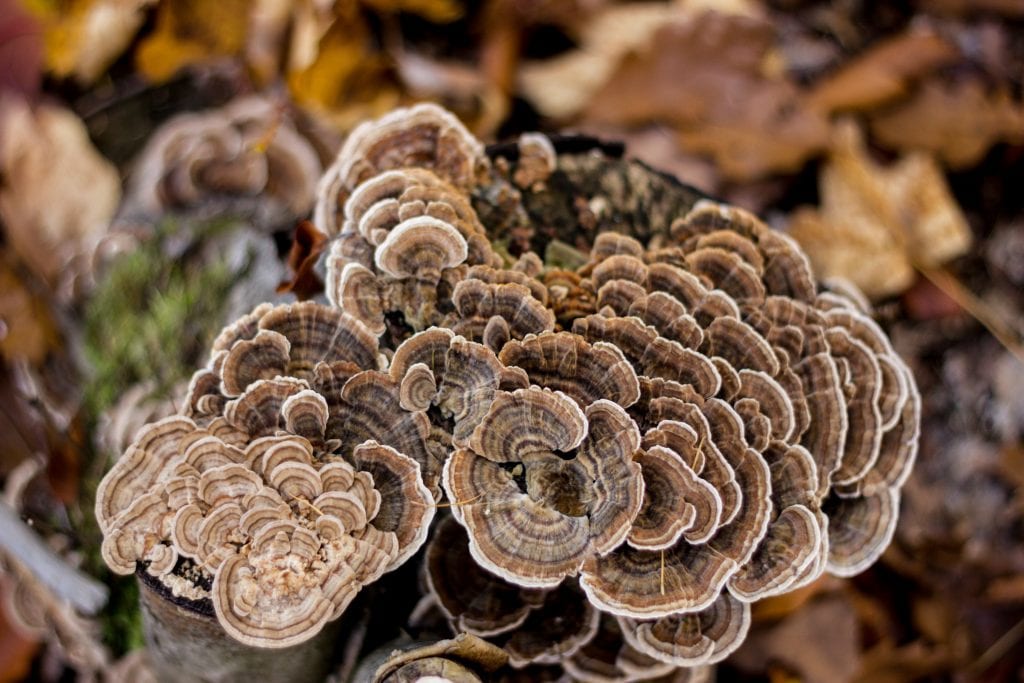
Modern science is currently investigating the unique role medicinal mushrooms play in health and healing. This is particularly notable in countries like Japan and China where medicinal mushrooms have held an important place in both the pharmacopeia and spiritual practices for over a thousand years. Information from the burgeoning research relates to physiology, neurology, endocrinology, immunology, digestion and more. It is exciting to share and even more exciting to apply clinically.
A variety of topics to look forward to - immune, brain health and more
The following articles take a clear evidence-based focus. Some articles discuss the applications that medicinal mushrooms play in autoimmune disorders, cancer healing, endocrine support or general health. There are obvious limitations in the research as human trials and double-blind studies are not performed in life threatening illnesses such as cancer. Other articles are philosophically and ethnographically focused. Personally, I find the similarities between fungi mycelium structures and the human nervous system as networks to be fascinating.
I will focus this topic series primarily on medicinal mushrooms I use clinically with patients such as reishi, turkey tail, lion’s mane, cordyceps, shiitake, maitake, chaga and others.
