
Sesame Is Historically and Nutritionally Rich
Sesame (Sesamum indicum) is considered the oldest cultivated oil seed plant in the world. Charred remains of sesame in archeological sites date back to 3,500 BC. That’s more than 5,000 years! Sesame was not only an important food source in ancient Egypt, India, Babylon, Assyria and Turkey, it was also documented for its significant therapeutic benefits. In fact, sesame and sesame oil still play an important role in Ayurvedic medicine.
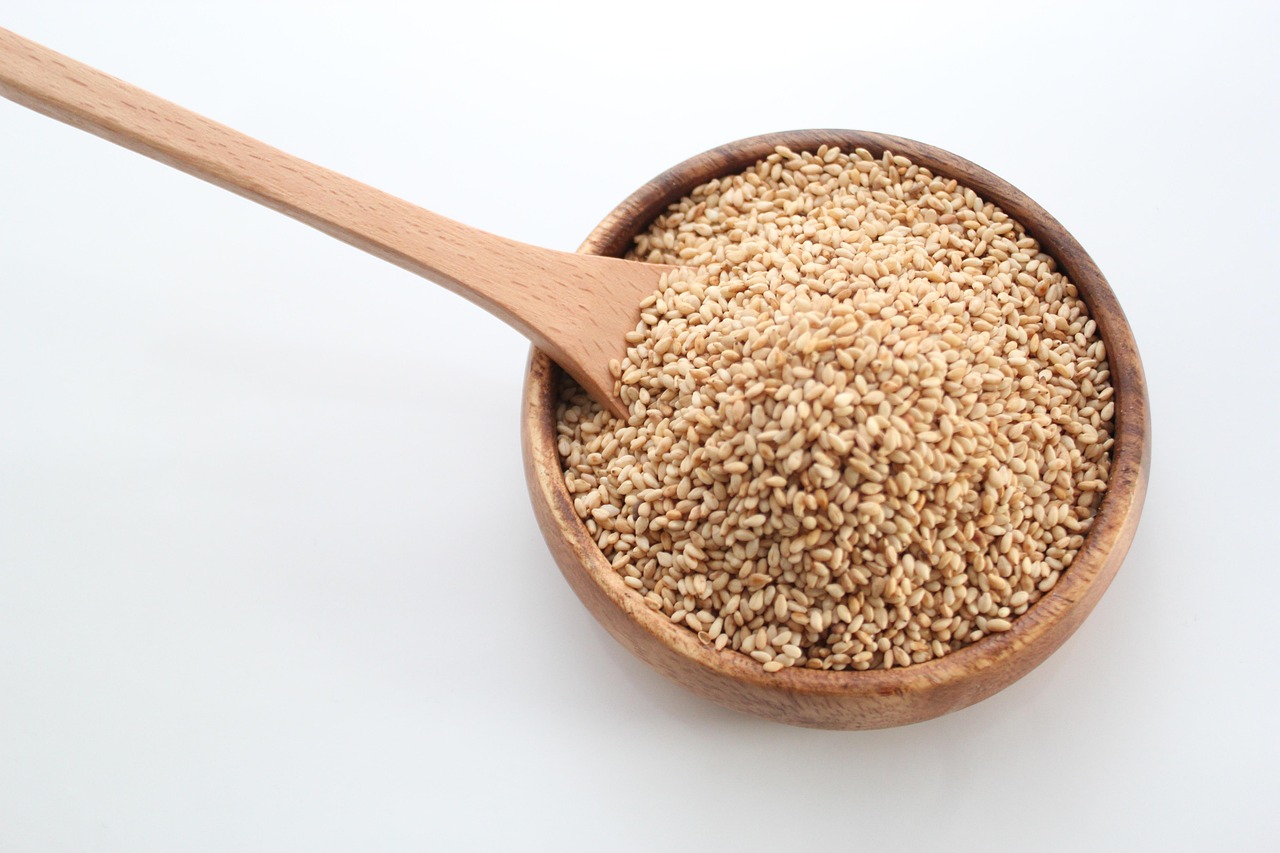
Anecdotally, it is told that women of ancient Babylon would eat sesame seeds with honey to prolong youth and beauty and that Roman soldiers would eat a sesame mixture for strength and energy. In actuality, the nutritional components present in sesame seeds offer scientific credibility to both traditional uses.
Sesame and tahini (ground sesame seeds as a paste) are a staple food we consume at home on probably a daily basis. We love its taste and how it combines with other foods and flavors. I prepare it in various dishes as well in snacks because it is super filling and gives lots of energy. This article highlights some of its nutritional properties.
Sesame Has Diverse Nutritional Properties
Sesame seeds showcase impressive nutritional properties. They have a high protein content, are rich in healthy oils and fiber. Sesame mineral content is especially high calcium and magnesium. Other minerals include copper, iron, manganese, phosphorous, potassium, sodium, selenium and zinc. Ratios per 100g of sesame seeds are represented in the table below taken from a 2002 study in Nutrients.1
Component | Value | Min | Max |
Protein (g/100 g) | 17.6 | 17 | 18 |
Protein, crude, N × 6.25 (g/100 g) | 20.8 | 3.2 | 21.3 |
Carbohydrate (g/100 g) | 9.85 | ||
Fat (g/100 g) | 49.7 | ||
Sugars (g/100 g) | 3 | 0.29 | 0.31 |
Starch (g/100 g) | 4 | ||
Fibers (g/100 g) | 14.9 | 11.8 | 18 |
Ash (g/100 g) | 4.48 | 4.45 | 4.5 |
Calcium (mg/100 g) | 962 | 714 | 1150 |
Copper (mg/100 g) | 1.58 | 1.5 | 4.08 |
Iron (mg/100 g) | 14.6 | ||
Magnesium (mg/100 g) | 324 | 318 | 351 |
Manganese (mg/100 g) | 1.24 | 1.17 | 2.46 |
Phosphorus (mg/100 g) | 605 | 453 | 694 |
Potassium (mg/100 g) | 468 | ||
Selenium (µg/100 g) | 26.5 | 2.2 | 51.9 |
Sodium (mg/100 g) | 2.31 | 0.88 | 11 |
Zinc (mg/100 g) | 5.74 | 5.3 | 7.75 |
β-Carotene (µg/100 g) | 5 | ||
Vitamin E (mg/100 g) | 25 | ||
Vitamin B1 or thiamin (mg/100 g) | 79 | ||
Vitamin B2 or riboflavin (mg/100 g) | 25 | ||
Vitamin B3 or niacin (mg/100 g) | 4.52 | ||
Vitamin B5 or pantothenic acid (mg/100 g) | 5 | ||
Vitamin B6 (mg/100 g) | 79 | ||
Vitamin B9 or folate (µg/100 g) | 97 |
Sesame Is a Complete Protein
The protein present in sesame seeds is considered a complete protein. Sesame contains all essential amino acids as well as a variety of protein forms i.e. albumin, globulin and others. Ground sesame seeds or sesame meal contains about 50% protein and has a digestibility percentage of 89.5% making it highly bioavailable. Darker sesame seeds have higher percentages of protein than lighter seeds.
Healthy Fats / Oils in Sesame
Sesame seeds contain a variety of oils including Omega 9, 6 and 3 fatty acids. Its oil content is considered 80% unsaturated.
Sesame Vitamin Content
Sesame is rich in vitamin E, vitamin A, vitamin C and contains the different B vitamins as listed in the table above.
Research Based Health Effects of Sesame
Sesame Reduces High Blood Pressure and Diabetes
Two different 2006 studies demonstrated that consumption of sesame oil in place of all other dietary oils led to lower systolic and diastolic blood pressures and lower blood sugar levels in diabetic patients.2,3 One mechanism responsible involved properties in sesame oil that inhibit angiotensin I-converting enzyme (ACE), a common mechanism used in blood pressure lowering medications.
Sesame Reduces Atherosclerosis
Atherosclerosis refers to plaque deposits inside blood vessels leading to heart, brain and circulatory problems. A 2006 study published in the Journal of Medicinal food showed that mice fed an atherogenic diet (rich in circulatory plaque forming foods) combined with sesame experienced a reduction in atherosclerotic plaque lesions.4 Check out our article on Hibiscus for more natural foods to lower cholesterol levels.
Sesame Reduces Gingivitis and Dental Plaque
Sesame seed oil is well known for its use in Ayurveda, the traditional medicine of India. One common use involves “oil pulling” for its oral health benefits. Oil pulling involves swishing sesame seed oil in the mouth for several minutes in order to prevent teeth decay, halitosis, bleeding gums, dry throat, and strengthening the teeth, gums and jaw.
A 2009 randomized clinically controlled trial demonstrated that sesame oil used in this manner shows comparable efficacy to chemical mouthwashes in improving plaque-induced gingivitis,5 and a 2008 demonstrated reduced Streptococcus mutans growth associated with oral plaque formation.6
Sesame and Radiation Induced DNA Damage
The antioxidant properties of Sesamol, a lignan antioxidant in sesame, has been shown to protect against gamma radiation-induced DNA damage.7 Compared to melatonin, another powerful antioxidant, Sesamol was found 20 times more effective as a free radical scavenger.8 Sesamol is of particular interest as part of the Empowered Brain Program here as it related to its neuroprotective properties.
Sesame Supports Hormonal Health
A 2006 study conducted in Taiwan and published in the Journal of Nutrition suggested that eating sesame seeds may benefit postmenopausal women by improving their blood lipids levels, antioxidant status, and possibly even their sex hormone status.9
Sesame Repairs Liver Damage
Sesame oil is rich in an anti-inflammatory lignan known as Sesamin. Sesamin not only is responsible for many of the health benefits listed above, but also protects the liver from alcohol and drug damage.10 Studies from Taiwan and Japan show that sesame oil reduces oxidative stress in the liver and other studies demonstrate how sesame oil protects against the harmful effects of Acetaminophen on the liver. Sesamin is responsible for maintaining intracellular levels of glutathione, a potent antioxidant that Acetaminophen depletes.11,12 Glutathione plays an extremely important role in protecting DNA.
Two recipes using Sesame / Tahini (sesame paste) we enjoy at home
Israeli Tahini Salad
1/3 cup whole ground tahini (sesame paste) – unhulled, unbleached is best
1 clove garlic – crush and mince
Bunch of parsley and dill – chop finely
1 lemon or lime
Water
Slowly mix water with the tahini until you get a watery smoothie type consistency. Add the lemon juice along with the parsley and dill. I like to add black and cayenne pepper to give it a little kick. This is great alongside a tomato/cucumber/mint salad, baked eggplant, a lentil dhal or veggies and rice.
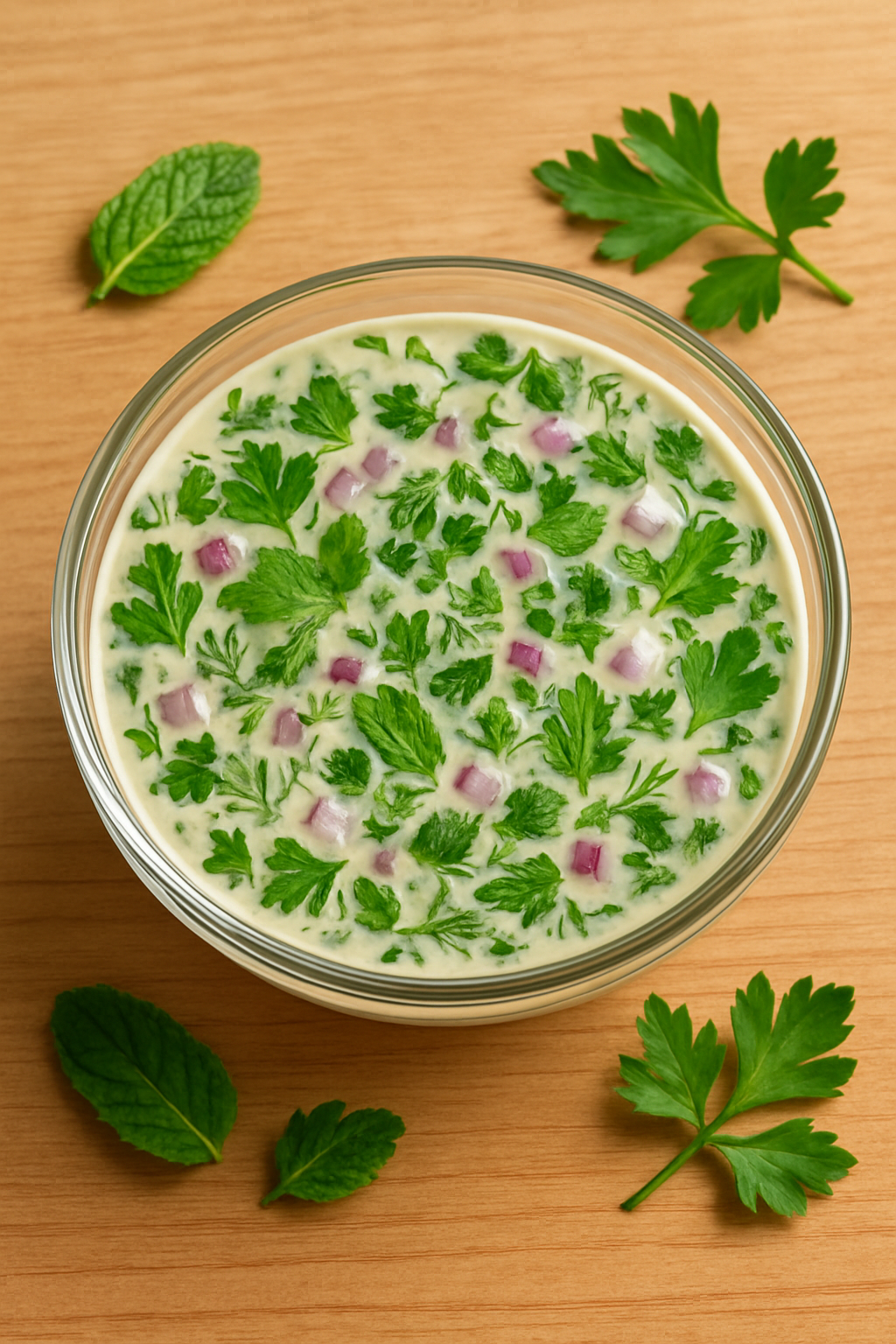
As described in the nutritional section, it is a great protein source, rich in carbs and healthy fats and gives tons of energy. One of my favorites is dipping slices of baked Japanese sweet potato (the purple kind) in tahini salad.
Horchata de Ajonjoli
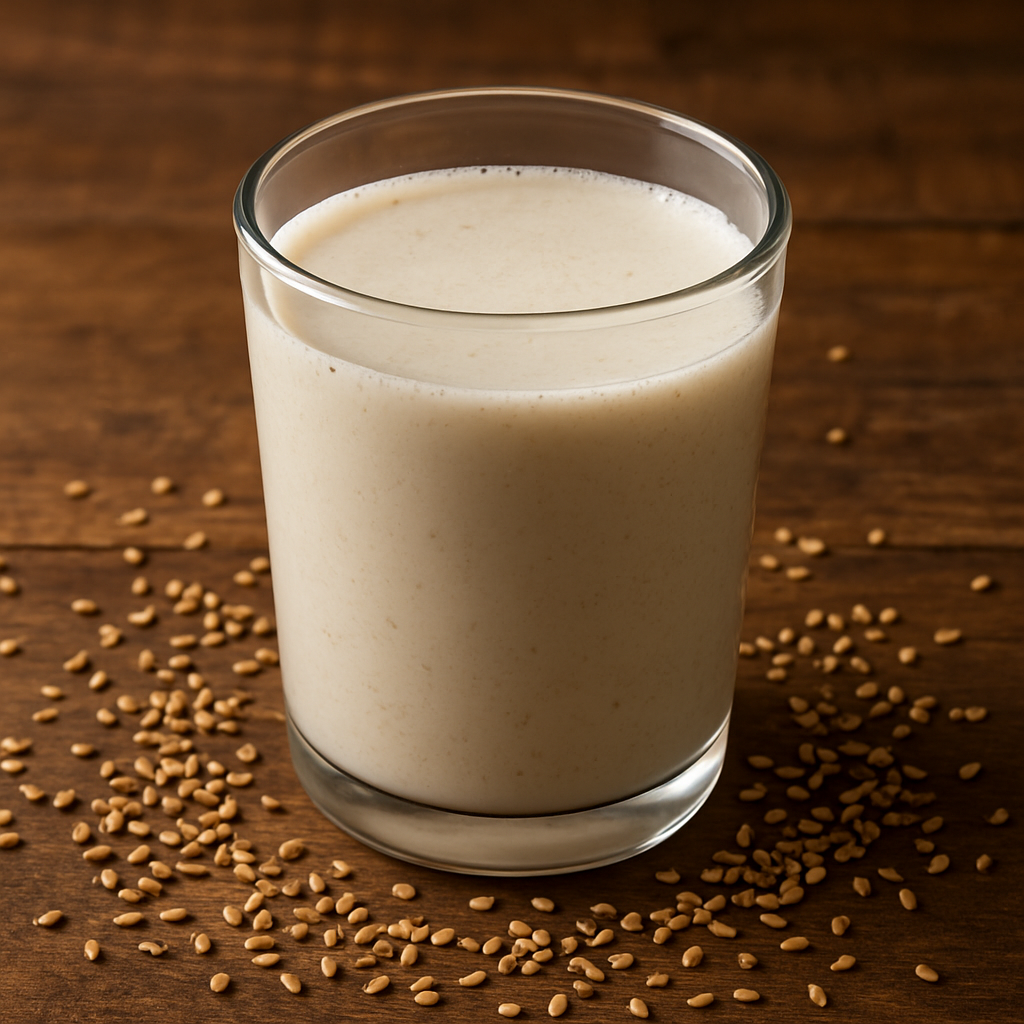
This refreshing drink is made in Latin America from sesame seeds. Soak 1.5 cups sesame seeds in water for about 3 hours.
Drain the water off, then blend with water until smooth in a Vitamix or powerful blender. Add a teaspoon of cinnamon and a little maple syrup to sweeten. This is an easy protein shake that is plant based and easy to digest. Sesame contains all of the essential amino acids making it a complete protein source.
Disclaimer. The information represented in this article is meant to provide concepts from evidence based research. It is not intended to treat or diagnose any health condition. For appropriate treatment methods please contact your healthcare provider.
- Wei P, Zhao F, Wang Z, Wang Q, Chai X, Hou G, Meng Q. Sesame (Sesamum indicum L.): A Comprehensive Review of Nutritional Value, Phytochemical Composition, Health Benefits, Development of Food, and Industrial Applications. Nutrients. 2022 Sep 30;14(19):4079.
- Nakano D, Ogura K, Miyakoshi M, Ishii F, Kawanishi H, Kurumazuka D, Kwak CJ, Ikemura K, Takaoka M, Moriguchi S, Iino T, Kusumoto A, Asami S, Shibata H,Kiso Y, Matsumura Y. Antihypertensive effect of angiotensin I-converting enzyme inhibitory peptides from a sesame protein hydrolysate in spontaneously hypertensive rats. Biosci Biotechnol Biochem. 2006 May;70(5):1118-26.
- A pilot study of open label sesame oil in hypertensive diabetics. J Med Food. 2006 Fall;9(3):408-12.
- Bhaskaran S,Santanam N, Penumetcha M, Parthasarathy S. Inhibition of atherosclerosis in low-density lipoprotein receptor-negative mice by sesame oil. J Med Food. 2006 Winter;9(4)
- Asokan S,Emmadi P, Chamundeswari R. Effect of oil pulling on plaque induced gingivitis: a randomized, controlled, triple-blind study. Indian J Dent Res. 2009 Jan-Mar;20(1):47-51.
- Asokan S,Rathan J, Muthu MS, Rathna PV, Emmadi P; Raghuraman; Chamundeswari. Effect of oil pulling on Streptococcus mutans count in plaque and saliva using Dentocult SM Strip mutans test: a randomized, controlled, triple-blind study. J Indian Soc Pedod Prev Dent. 2008 Mar;26(1):12-7.
- Kanimozhi P,Prasad NR. Antioxidant potential of sesamol and its role on radiation-induced DNA damage in whole-body irradiated Swiss albino mice. Environ Toxicol Pharmacol. 2009 Sep ;28(2):192-7. Epub 2009 Apr 11.
- Mishra K,Srivastava PS, Chaudhury NK. Sesamol as a Potential Radioprotective Agent: In Vitro Studies. Radiat Res. 2011 Sep 7. Epub 2011 Sep 7.
- Wu WH, Kang YP, Wang NH, Jou HJ, Wang TA. Sesame Ingestion Affects Sex Hormones, Antioxidant Status, and Blood Lipids in Postmenopausal Women. J. Nutr. May 2006 136 no. 5 1270-1275
- Namiki M.Nutraceutical functions of sesame: a review. Crit Rev Food Sci Nutr2007;47:651e73
- Chandrasekaran VR,Wan CH, Liu LL, Hsu DZ, Liu MY.Effect of sesame oil against acetaminophen-induced acute oxidative hepatic damage in rats. Shock 2008;30:217e21.
