
Shiitake Mushrooms and Health Restoration
Shiitake mushrooms – Traditional uses and contemporary science
Shiitake mushrooms (Lentula edodes) are one of the most widely used medicinal mushrooms in Eastern medicine. Today’s science and research could without argument attribute that to their unique immunomodulatory health properties.
What is immunomodulation though?
Briefly explained, immunomodulation is the capacity to regulate the immune system by either stimulating or inhibiting immune function and activity.
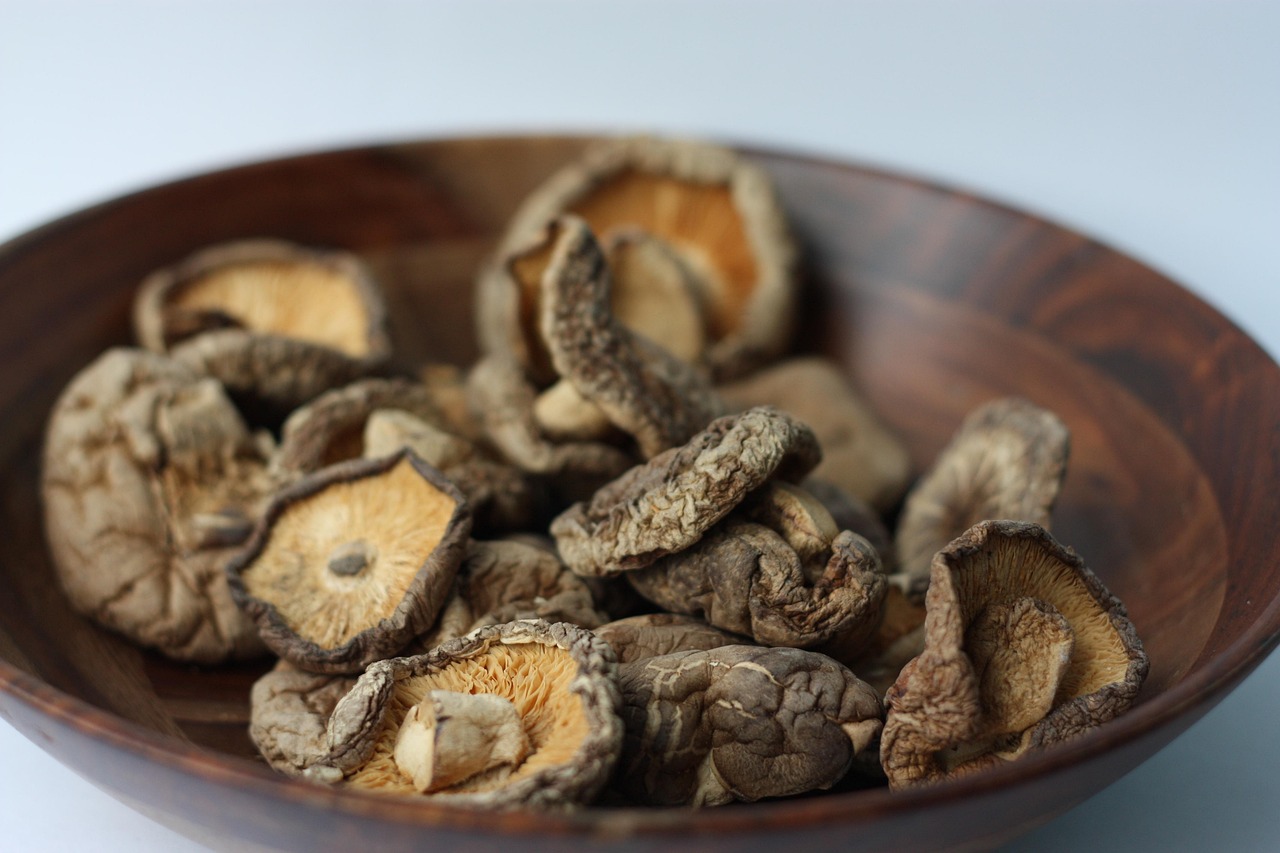
Shiitake Mushrooms as Immunomodulators Connect Body Systems
Furthermore, the immune system has multiple levels of connections between the neurological, endocrine and digestive systems. For this reason, immunomodulation has widespread health implications.
Think of immunomodulators as advisors, mediators or coders within a military system. They do not carry out the attack themselves but organize intelligence appropriately to the circumstance. This health property is common among mushrooms like reishi, chaga, cordyceps, turkey tails and more. The immunomodulatory properties in shiitakes are due to their high β-glucans content, a form of polysaccharide.
Immunomodulation in the case of shiitakes results in a myriad of health benefits such as immune boosting, anti-cancer, antioxidant and anti-microbial. The table below presents the main active compounds in shiitakes.1
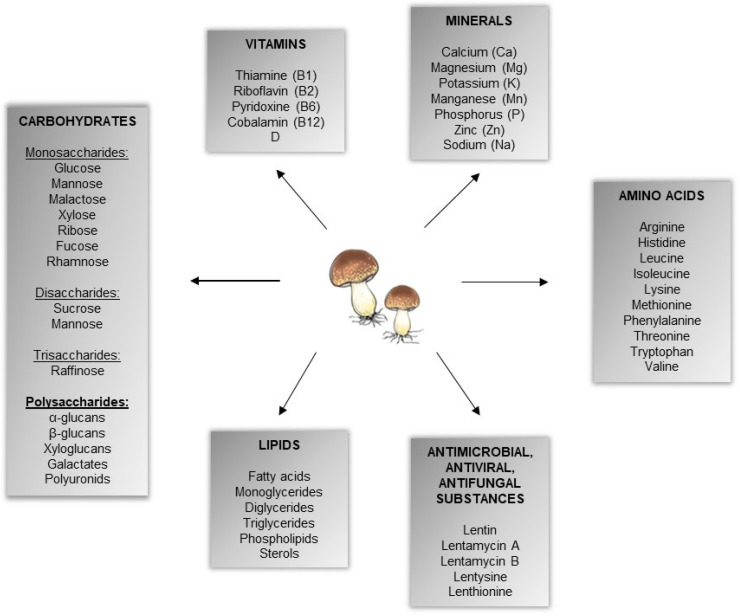
Health benefits of shiitake mushrooms
Immune Strengthening Properties of Shiitakes
Shiitakes improve human immunity by upregulating Natural Killer T-Cells, Tumor Necrosis Factor, secretory IgA in the gut and interleukins 4 and 10.2 These different components relate to both the humoral (recognition of invaders) and cellular (attack component) branches of immune function.3 The immune-protective role against foreign invaders and cellular damage should place shiitakes as a regular consumable in your kitchen.
Anti-Cancer / Anti-Tumor of Shiitakes
Ingestion of shiitake extracts demonstrates reduction of skin carcinoma cell proliferation and stimulates programmed cancer cell death without harming non-tumor cells.4 A 2002 study demonstrated reduction in colon cancer tumor size5 as well as a 2008 study in breast cancer (breast adenocarcinoma).6
Shiitakes and Gut Microbiome / Anti-Aging
A 2015 study discusses the relationship between aging / premature cellular damage and oxidative stress due to impaired immunity from gut microbiome imbalances. Shiitake mushroom polysaccharides serve as prebiotics (feed the good bacteria in our gut), the necessary substrates for microbiota health. They have been demonstrated to partially reverse the age-related composition of gut microbiota together with immune stimulating effects.7 The interesting take away from the article is the manner in which shiitake mushrooms support gastrointestinal health and how it contributes to preservation of immune and cellular integrity. Turkey Tail mushrooms also have important gastrointestinal health properties, read about them here.
Shiitake Mushrooms Are Liver Protective
Shiitake mushroom extracts have protective effects on the liver. A 2010 demonstrated significant reduction in liver damage markers including serum transaminases (SGOT, SGPT), alkaline phosphatase (ALP) and bilirubin caused by induced paracetamol liver toxicity.8 The production and detoxification roles that the liver plays in the body are critical for the operation of all biosystems. Supporting liver health alone is reason enough to consume shiitake mushrooms on a regular basis. Reishi mushrooms also have important liver protecting properties, read about them here.
Considering the above information, shiitake mushrooms form an essential immune strengthening food as part of the weekly meal plans in our Empowered Brain Program. Below is one simple way we enjoy them in our home.
Cooking With Shiitakes At Home
Macrobiotic Shiitake and Seaweed Brown Rice
The mycelium component in mushrooms is capable of destroying many environmental toxic wastes, with applications of what Paul Stamets refers to as Mycoremediation.
This hearty macrobiotic recipe is a simple favorite you can use to Mycoremediate your health! Quick to prepare and makes a great comfort food, especially during cold weather.
Ingredients:
- Brown rice
- Dry shiitake mushrooms
- Dried brown seaweed or substitute with chard or bak choy
- Garlic
- Ginger
- Black pepper
Preparation: It doesn’t get much simpler than this and is really nice to eat on its own or to serve alongside baked butternut or acorn squash.
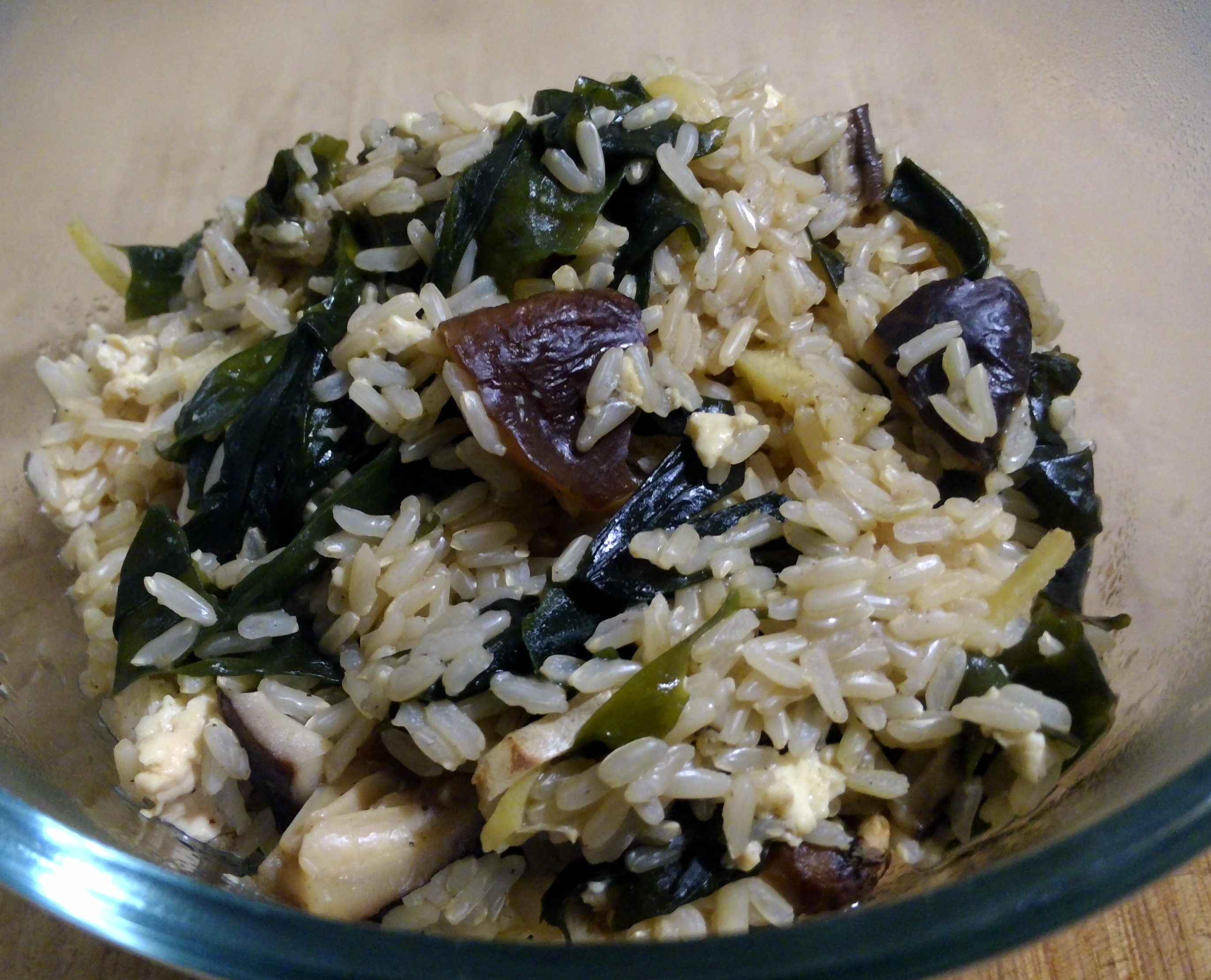
- Boil a pot of brown rice.
- Crumble up 5-6 shiitake mushrooms and throw them in the rice pot together with some crushed garlic and ginger (too taste) when the rice is 2/3 cooked. I prefer to crumble the shiitake by hand rather than cut.
- Add in a handful of shredded dry brown seaweed / wakame. Chard or bak choy can be substituted for seaweed.
- Season in the end with black pepper and soy / tamari sauce.
We recently added another article on Nature's Plant Based Bone Broth with Medicinal Mushrooms, an immune boosting soup that includes Shiitake mushrooms in the recipe. Have a look!
Disclaimer. The information represented in this article is meant to provide concepts from evidence based research. It is not intended to treat or diagnose any health condition. For appropriate treatment methods please contact your healthcare provider.
- Roszczyk A, Turło J, Zagożdżon R, Kaleta B. Immunomodulatory Properties of Polysaccharides from Lentinula edodes. Int J Mol Sci. 2022 Aug 11;23(16):8980.
- Dai X et al.. Consuming Lentinula edodes (Shiitake) Mushrooms Daily Improves Human Immunity: A Randomized Dietary Intervention in Healthy Young Adults. J Am Coll Nutr.2015;34(6):478-87
- Vetvicka V, Vetvickova J. Immune-enhancing effects of Maitake (Grifola frondosa) and Shiitake (Lentinula edodes) extracts. Ann Transl Med.2014 Feb;2(2):14.
- Gu YH, Belury MA. Selective induction of apoptosis in murine skin carcinoma cells (CH72) by an ethanol extract of Lentinula edodes. Cancer Lett.2005 Mar 18;220(1):21-8.
- Ng ML, YAP AT. Inhibition of human colon carcinoma development by lentinan from shiitake mushrooms (Lentinus edodes). J Altern Complement Med. 2002 Oct;8(5):581-9.
- Israilides C et al. In vitro cytostatic and immunomodulatory properties of the medicinal mushroom Lentinula edodes. Phytomedicine. 2008 Jun;15(6-7):512-9.
- Xu X, Yang J, Ning J, Zhang X. Lentinula edodes-derived polysaccharide rejuvenates mice in terms of immune responses and gut microbiota. Food Funct. 2015 Aug;6(8):2653-63.
- Sasidharan S, Aravindran S, Latha LY, Vijenthi R, Saravanan D, Amutha S. In vitro antioxidant activity and hepatoprotective effects of Lentinula edodes against paracetamol-induced hepatotoxicity. Molecules. 2010;15(6):4478-4489.
